
Cocoyam or nothing
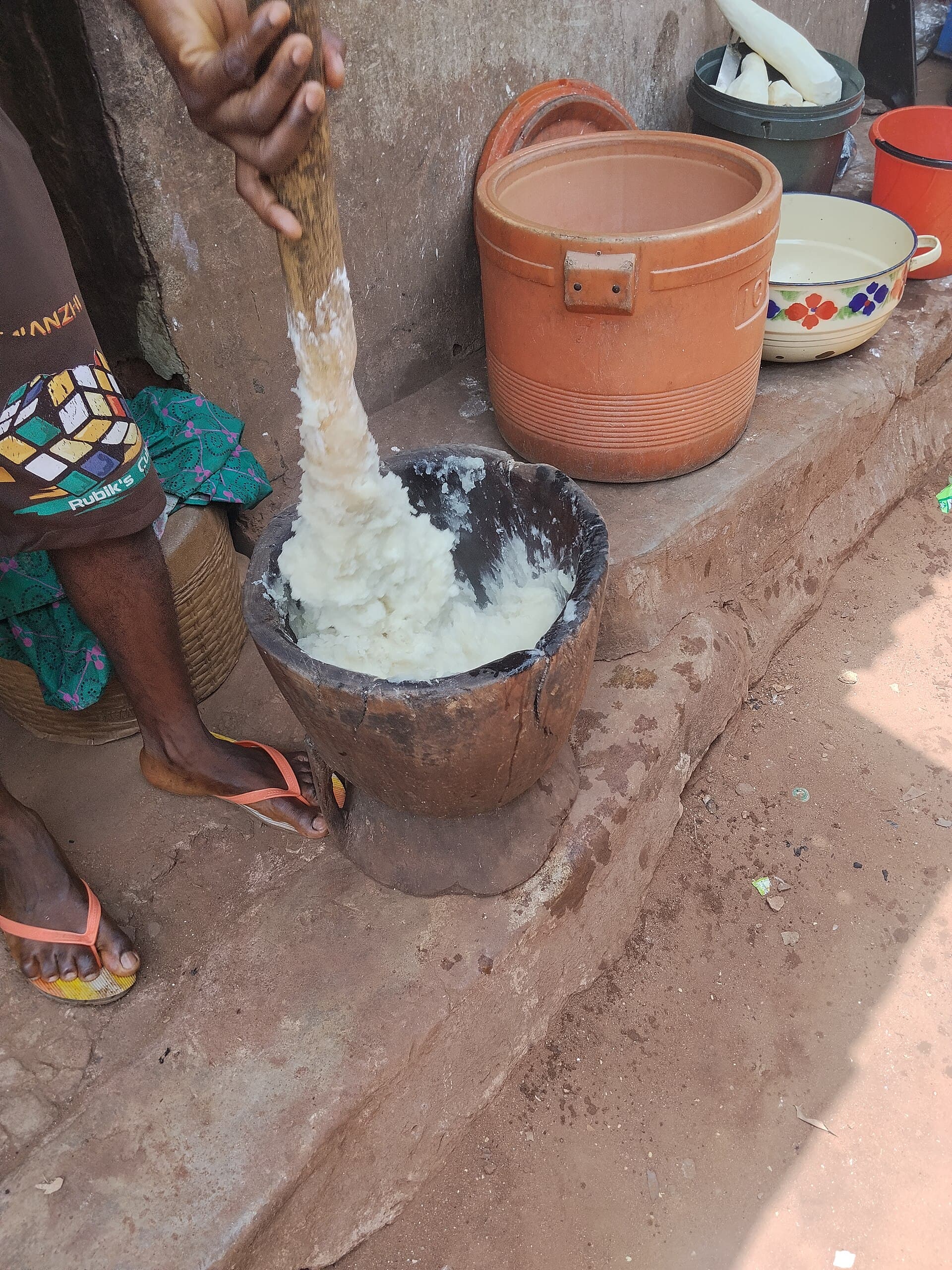
Ede is the only thickener allowed at this festival. Not flour, not cornstarch, not achi. Pounded, dropped in lumps, left to melt on its own time.
The Soup
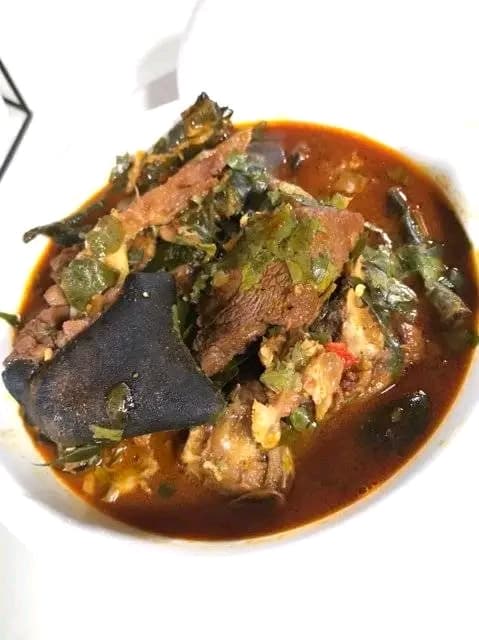
Ofe Owerri is not weekday food. It is what a family cooks when someone important is coming, and it is judged the moment the bowl lands: the colour of the oil, the green of the ugu, whether the achara is there at all.
Why a festival
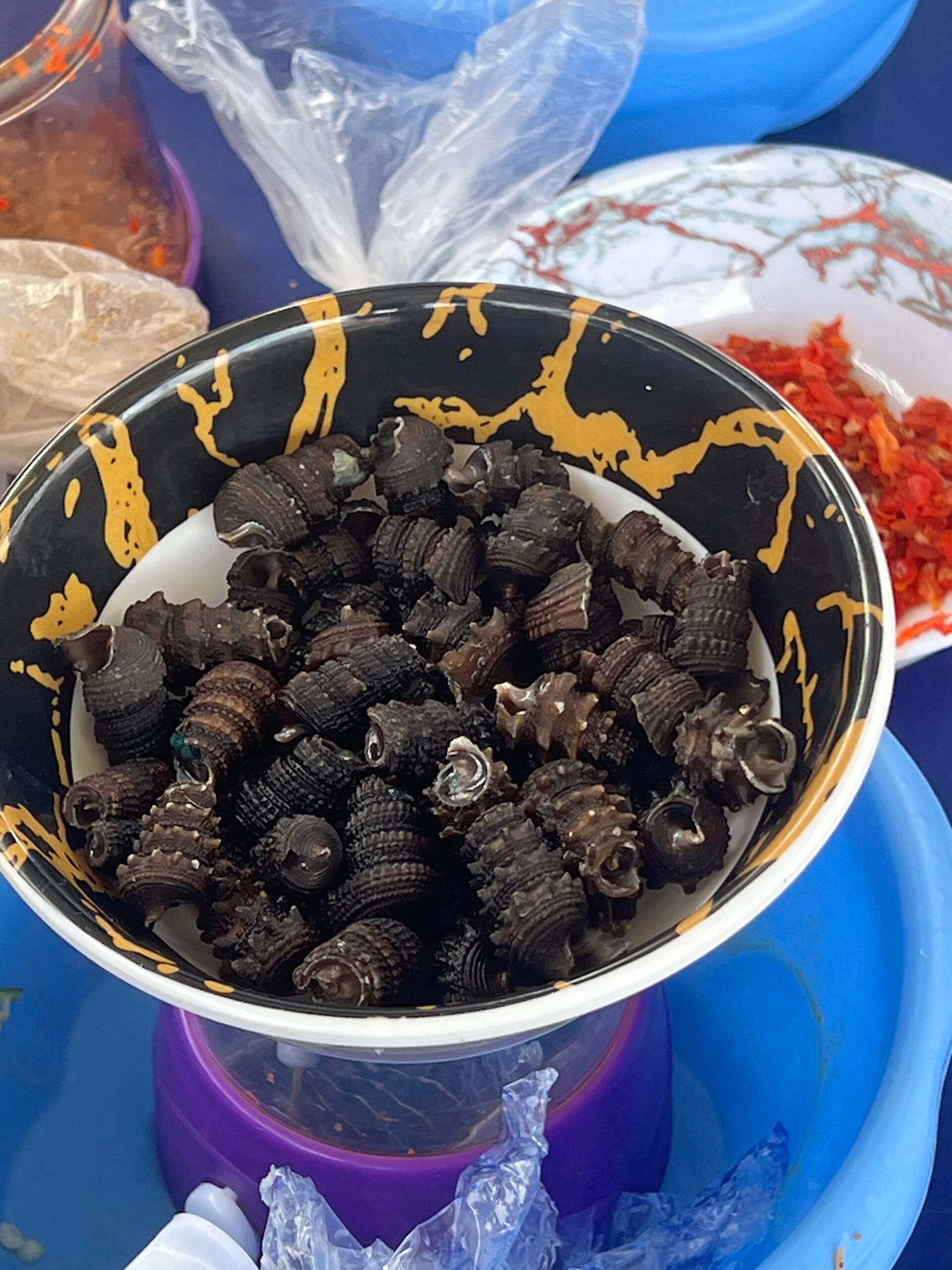
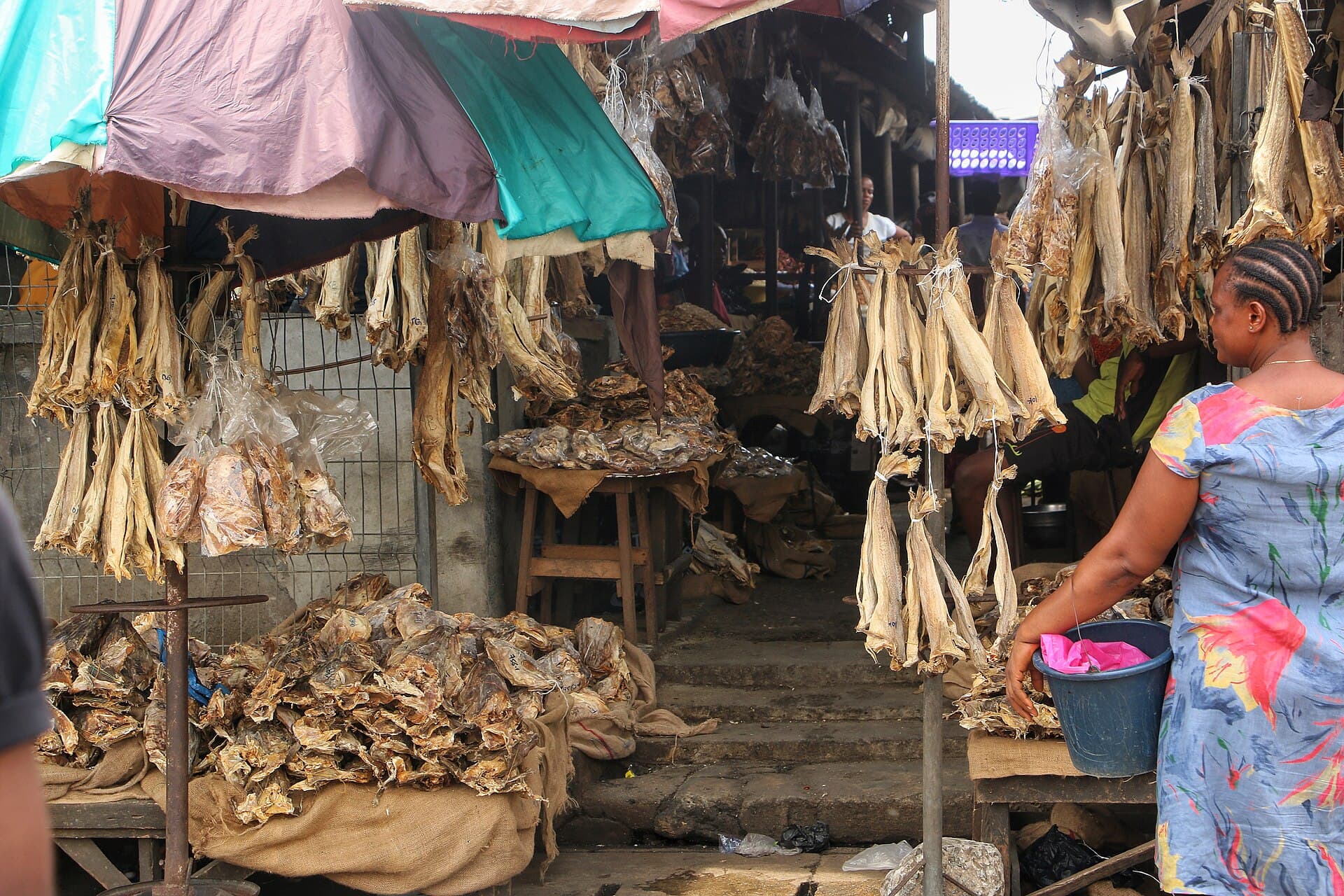
Ask anyone from Imo what makes Ofe Owerri expensive and they will not start with money. They will start with the list -stockfish soaked overnight, periwinkle picked by hand, dried fish, assorted meat, cocoyam pounded fresh, and achara, which you either have access to or you do not. Everything in the pot is something somebody had to go and get.
That is why it has always signalled welcome. You do not cook this soup by accident, and the person eating it knows exactly what it cost you. In a culture where hospitality is the highest currency, this bowl is the biggest note you can put down.
But it mostly happens behind compound walls, for family, at Christmas. Ofè Owèré Festival moves it into the open -sixty pots on wood fire in the middle of Owerri, cooked by the people who actually know how, in the week the whole South-East comes home.
We chose December on purpose. That is when Owerri is fullest, when the diaspora lands, when the markets are loudest. The festival is not asking anybody to travel. It is meeting them where they already are.
Eight things
Leave any one of these out and what you have is a good soup with a different name.
Fluted pumpkin leaf
Shredded fine and added last, so it stays green and alive in the pot.
Piper guineense leaf
The peppery lift. A little too much and the whole pot turns bitter.
Young elephant grass shoots
The soft, sweet stalk that tells you the soup came from Owerri and nowhere else.
Cocoyam thickener
Pounded to a paste and dropped in lumps -never flour, never anything else.
Red palm oil
Bleached just enough. The colour of the bowl is the first thing anyone judges.
Stockfish
Soaked overnight until the head gives up its flavour to the broth.
Periwinkle & sea snail
Picked with a pin at the table -the part of the meal nobody rushes.
Fermented seed & seed pod
The old seasonings, from before there were cubes. This is where the depth hides.
How we run it
Ede is the only thickener allowed at this festival. Not flour, not cornstarch, not achi. Pounded, dropped in lumps, left to melt on its own time.
Not brands, not the stage. Every pot carries the name of the person who cooked it, and the woman who has cooked for forty years gets the same frontage as the restaurant.
Ugu, uziza, achara, ede, palm oil and ogiri come from Imo markets -Ekeonunwa, Relief, Nkwo Orji -bought at the price the traders ask.
The last pot on Sunday evening is free until it is finished. A festival about a soup that signals welcome cannot end with a price list.
First Ever Edition
Sunday, 29 November 2026 at NTA Channel 12, Akanchawa Udenwa Avenue, Owerri. Free to walk the market on Sunday, ticketed the rest of the weekend.